Energy Assistance Benefits 2026: Save 20% on Winter Utility Costs

Anúncios
Latest developments on Energy Assistance Benefits 2026: Saving Up to 20% on Utility Costs This Winter, with key facts, verified sources, and what readers need to monitor next in the United States, presented clearly in English (United States).
Energy Assistance Benefits 2026: Saving Up to 20% on Utility Costs This Winter is shaping today’s agenda with new details released by officials and industry sources. This update prioritizes what changed, why it matters, and what to watch next, in a straightforward news format.
Understanding Energy Assistance Benefits 2026
The upcoming winter season brings renewed focus on financial relief programs designed to alleviate the burden of heating costs for millions of American households. Federal and state initiatives are preparing to roll out expanded support, aiming to provide substantial savings.
Anúncios
These programs, collectively known as Energy Assistance Benefits 2026, are critical as energy prices continue to fluctuate, impacting household budgets nationwide. Eligibility criteria and application processes are being refined to ensure broader access and efficient distribution of funds.
Many families faced unprecedented challenges in previous years, making the proactive measures for Energy Assistance Benefits 2026 more vital than ever. The goal remains to prevent utility disconnections and maintain safe, warm living conditions.
Key Changes and Program Enhancements for 2026
Anúncios
Officials have confirmed several significant adjustments to the Energy Assistance Benefits 2026 framework, targeting improved accessibility and increased impact. These changes reflect lessons learned from prior years and aim to streamline the application process for eligible individuals.
One notable enhancement includes a broader income eligibility threshold, allowing more working families to qualify for assistance. Additionally, several states are implementing digital application platforms to expedite approvals and fund disbursements.
These program enhancements for Energy Assistance Benefits 2026 are designed to address the evolving economic landscape and ensure that aid reaches those most in need before harsh winter conditions set in. Early application is strongly encouraged.
Expanded Eligibility Criteria
- Higher income thresholds to include more households.
- Simplified documentation requirements for applicants.
- Special provisions for seniors, disabled individuals, and families with young children.
The federal government, in collaboration with state agencies, is committed to maximizing the reach of Energy Assistance Benefits 2026. This collaborative effort seeks to mitigate the financial strain caused by escalating utility expenses across diverse communities.
Projected Savings and Financial Impact
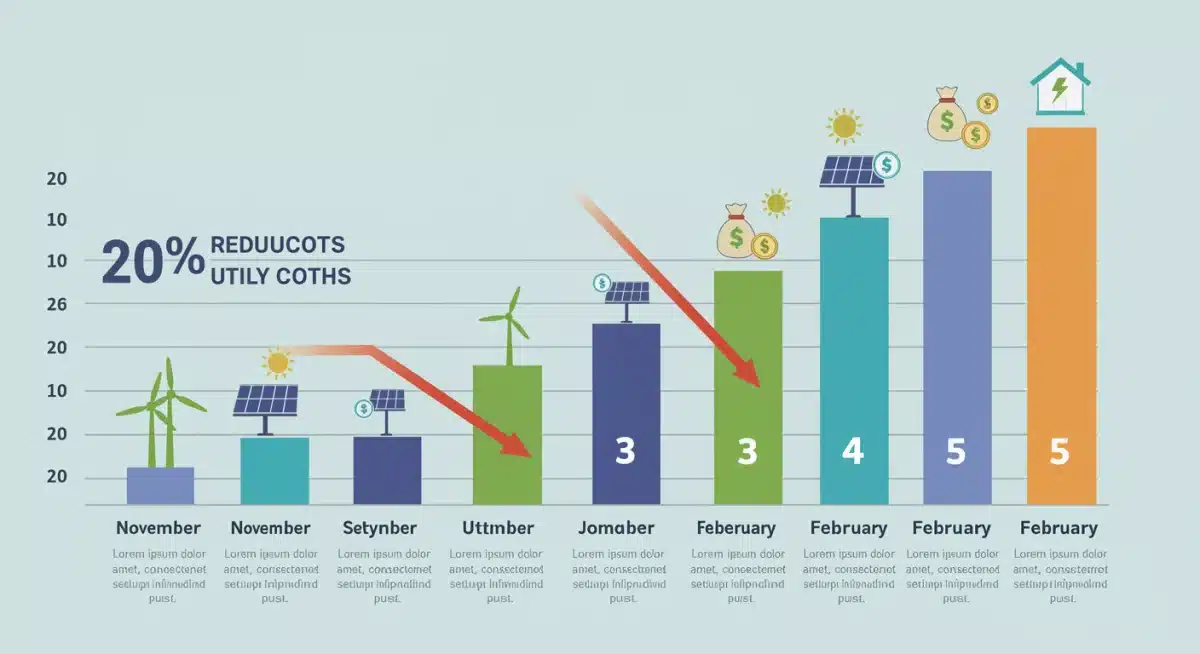
The primary aim of Energy Assistance Benefits 2026 is to deliver tangible financial relief, with projections indicating potential savings of up to 20% on winter utility bills for qualifying households. This represents a substantial alleviation for families struggling with high energy costs.
These savings are not merely theoretical; they are based on enhanced funding allocations and more efficient distribution mechanisms. The impact extends beyond direct bill reduction, freeing up household funds for other essential needs.
For many, the savings derived from Energy Assistance Benefits 2026 can mean the difference between maintaining a warm home and facing difficult choices between heating and other necessities. The economic ripple effect is expected to be positive for local communities.
Maximizing Your Utility Cost Reduction
- Combine energy assistance with home weatherization programs.
- Utilize energy-efficient appliances where possible.
- Adopt simple habits like lowering thermostats and sealing drafts.
The anticipated 20% reduction is an average, and individual savings may vary based on location, household size, and specific energy consumption patterns. However, the overarching goal of Energy Assistance Benefits 2026 is universal financial relief.
Application Process and Key Deadlines
Navigating the application process for Energy Assistance Benefits 2026 requires attention to detail and adherence to specific timelines. State and local agencies are preparing to open application windows, and early submission is highly recommended.
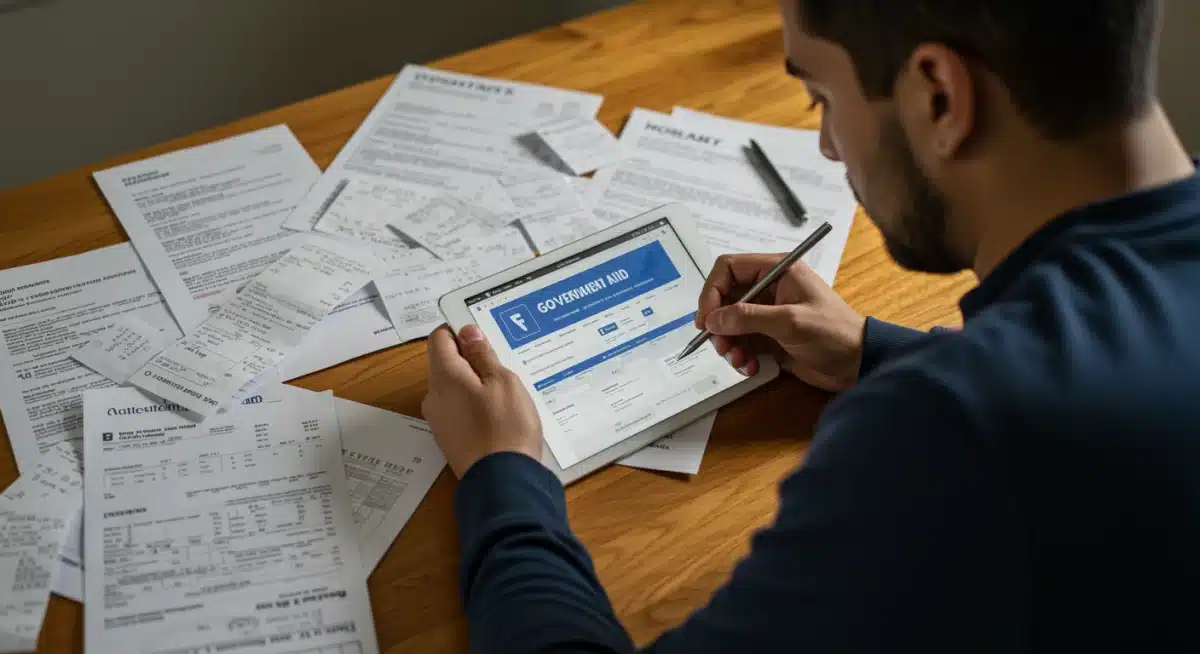
Prospective applicants should gather all necessary documentation, including proof of income, household size, and utility bills, to ensure a smooth and timely review. Online portals are becoming increasingly prevalent, offering a convenient way to apply.
It is crucial to be aware of specific deadlines for Energy Assistance Benefits 2026, as these can vary by state and program. Missing a deadline could result in delays or forfeiture of eligibility for the current heating season.
Steps to a Successful Application
- Verify eligibility criteria with your state or local energy assistance office.
- Collect all required identification and financial documents.
- Submit your application as early as possible to avoid processing delays.
Many agencies offer assistance with the application process, including help with filling out forms and understanding documentation requirements. Utilizing these resources can significantly improve the chances of receiving timely Energy Assistance Benefits 2026.
Who Qualifies for Energy Assistance Benefits 2026?
Eligibility for Energy Assistance Benefits 2026 is primarily determined by household income, size, and specific needs. While the exact criteria may vary slightly by state, federal guidelines provide a general framework for qualification.
Typically, households with incomes at or below a certain percentage of the federal poverty level are prime candidates. However, the expanded thresholds for 2026 aim to include a broader segment of the population, recognizing the current economic pressures.
Special considerations are often given to vulnerable populations, including elderly individuals, persons with disabilities, and families with young children, ensuring they receive priority access to Energy Assistance Benefits 2026. These groups often face higher heating costs or have limited means to cope with them.
Common Eligibility Factors
- Household income relative to federal poverty guidelines.
- Number of individuals residing in the household.
- Presence of elderly, disabled, or very young household members.
It is important for potential applicants to consult their local energy assistance offices or state websites for precise eligibility requirements in their area. Understanding these details is the first step toward securing Energy Assistance Benefits 2026.
Resources and Support for Applicants
A network of resources is available to assist individuals and families in successfully applying for Energy Assistance Benefits 2026. These support systems are designed to simplify the process and address any questions or challenges applicants may encounter.
Local community action agencies, non-profit organizations, and state government departments are key points of contact. They provide guidance, application forms, and often direct assistance with submission, ensuring no eligible household is left behind.
These resources are vital for ensuring equitable access to Energy Assistance Benefits 2026, especially for those unfamiliar with bureaucratic processes or lacking internet access. They serve as a bridge between the programs and the people who need them most.
Where to Find Assistance
- Contact your state’s Low Income Home Energy Assistance Program (LIHEAP) office.
- Visit your local community action agency for in-person support.
- Check utility company websites for information on payment plans and assistance programs.
Many utility companies also offer their own energy assistance programs or payment arrangements, which can be combined with federal and state aid. Exploring all available options can maximize the total support received for Energy Assistance Benefits 2026.
Looking Ahead: Long-Term Energy Solutions
While Energy Assistance Benefits 2026 provide crucial short-term relief, policymakers are also focusing on long-term strategies to reduce energy costs and promote sustainability. These initiatives aim to lessen reliance on emergency aid in future years.
Investments in energy efficiency upgrades, renewable energy sources, and weatherization programs are central to this long-term vision. These efforts not only reduce utility bills but also contribute to environmental protection and energy independence.
The goal is to create a more resilient and affordable energy landscape for all Americans, moving beyond seasonal crisis management. The dialogue surrounding Energy Assistance Benefits 2026 is often intertwined with these broader discussions on sustainable energy futures.
Sustainable Energy Initiatives
- Funding for home weatherization and insulation projects.
- Incentives for installing solar panels and other renewable energy systems.
- Educational programs on energy conservation for households.
These long-term solutions complement the immediate relief offered by Energy Assistance Benefits 2026, creating a comprehensive approach to energy affordability. Continued advocacy and public engagement are essential for their success.
| Key Point | Brief Description |
|---|---|
| Projected Savings | Up to 20% reduction on winter utility costs for eligible households. |
| Expanded Eligibility | Higher income thresholds and simplified application processes for 2026. |
| Application Deadlines | Vary by state; early submission is highly recommended to secure benefits. |
| Support Resources | Local agencies and state offices offer assistance with the application process. |
Frequently Asked Questions About Energy Assistance Benefits 2026
Energy Assistance Benefits 2026 refer to federal and state programs designed to help low-income households cover their heating and cooling costs. These initiatives aim to reduce financial strain and ensure safe living conditions during extreme weather, providing crucial relief for many families.
Eligible households could see savings of up to 20% on their winter utility bills through Energy Assistance Benefits 2026. The exact amount depends on income, household size, location, and specific program details. These savings significantly alleviate the burden of rising energy prices.
Application windows for Energy Assistance Benefits 2026 typically open in late summer or early fall, preceding the winter heating season. It is highly advisable to apply as early as possible to ensure timely processing and receipt of benefits before cold weather arrives.
Detailed eligibility information for Energy Assistance Benefits 2026 is available through your state’s Low Income Home Energy Assistance Program (LIHEAP) office, local community action agencies, or specific state government websites. These resources provide precise criteria based on your location.
Yes, beyond Energy Assistance Benefits 2026, many utility companies offer their own payment plans or assistance programs. Additionally, federal and state programs for weatherization and energy efficiency upgrades can help reduce long-term energy consumption and costs, complementing direct aid.
What This Means
The rollout of Energy Assistance Benefits 2026 represents a critical intervention for American households facing escalating utility costs this winter. Understanding the updated eligibility, application processes, and available support networks is paramount for securing up to 20% in savings. As deadlines approach, proactive engagement with state and local resources will determine the extent of relief received, reinforcing the importance of staying informed and acting swiftly. This aid is not just about financial savings; it’s about ensuring warmth and stability for vulnerable families.