International travel decline: The impact on global economies
Anúncios
The international travel decline impacts economies by reducing tourism revenues, disrupting global supply chains, and shifting consumer preferences towards local and sustainable travel experiences.
The international travel decline impact has reshaped our world, affecting both leisure and business travel.
This shift raises crucial questions: how do economies adapt to these changes? Let’s dive into the implications.
Anúncios
Understanding the causes of international travel decline
Understanding the causes of the international travel decline is crucial to grasp how global economies are affected.
Various factors have contributed to this international travel decline, and it is essential to explore them.
Key factors behind international travel decline
Anúncios
Several core issues have caused decreases in travel rates.
These include political instability, health crises, and economic downturns. Let’s examine some of these in detail.
- Political instability: Regions experiencing conflict often see a significant drop in tourism.
- Health crises: Outbreaks like COVID-19 have led to travel restrictions worldwide.
- Economic factors: Economic downturns impact disposable income, reducing travel budgets.
In addition to these factors, changing traveler preferences contribute as well.
Many individuals now prefer local or domestic destinations over international travel due to safety and convenience, one of the key outcomes of the international travel decline.
This shift is seen in various surveys, showing a preference for less crowded places.
The role of technology
Technological advancements have changed how we travel.
Technologies such as virtual reality have emerged as alternatives to traditional travel, affecting people’s desire to visit physical destinations.
Booking systems, apps, and online information have made travel planning easier, yet they have also led to better trip choices.
Furthermore, the impact of environmental concerns has echoed through travel trends.
People are increasingly aware of their carbon footprint and are opting for greener ways to travel.
This awareness has led to a shift in priorities, with many favoring environmentally sustainable travel options, even in the midst of the international travel decline.
Understanding these dynamics is critical to anticipate future travel trends and prepare for the tourism industry’s recovery.
The journey of international travel is evolving, and recognizing these causes helps stakeholders adapt to a new landscape shaped by the international travel decline.
Economic implications for tourism-dependent countries
The economic implications for tourism-dependent countries are significant and far-reaching.
As tourism plays a vital role in the economies of many nations, its international travel decline can lead to serious financial challenges.
Financial impact
Countries that rely heavily on tourism often see a direct correlation between visitor numbers and economic growth.
When international travel decline occurs, these nations can face several issues, such as decreased GDP and rising unemployment.
This decline can be particularly severe in nations where tourism accounts for a large portion of their national income.
- Reduced revenue: A drop in tourists leads to lower income for businesses in hospitality, travel, and related sectors.
- Unemployment: Job losses in tourism can have a ripple effect on local economies.
- Government budgets: Less tax revenue from tourism can lead to budget cuts in essential services.
In addition, the economic fallout can hinder investments. A stable tourism sector often attracts foreign investments.
With the international travel decline, potential investors may become cautious, leading to reduced development projects.
As a result, infrastructure and local businesses suffer, further exacerbating the economic downturn.
Long-term consequences
This situation doesn’t just affect immediate finances. Long-term consequences like reduced competitiveness in the global market can arise.
Once a country’s reputation as a travel destination is damaged, it can take years to rebuild.
Furthermore, permanent changes in traveler preferences may shift them away from previously popular destinations.
Tourism-dependent economies must adapt quickly to these changes caused by the international travel decline. Diversifying economic sources and creating new growth strategies can help mitigate some impacts.
Countries are also exploring ways to attract domestic tourism as an alternative while developing sustainable tourism practices for future resilience.
Understanding the economic implications of an international travel decline helps these nations prepare for recovery and develop strategies to navigate future challenges in the tourism sector.
Impact on global supply chains and trade
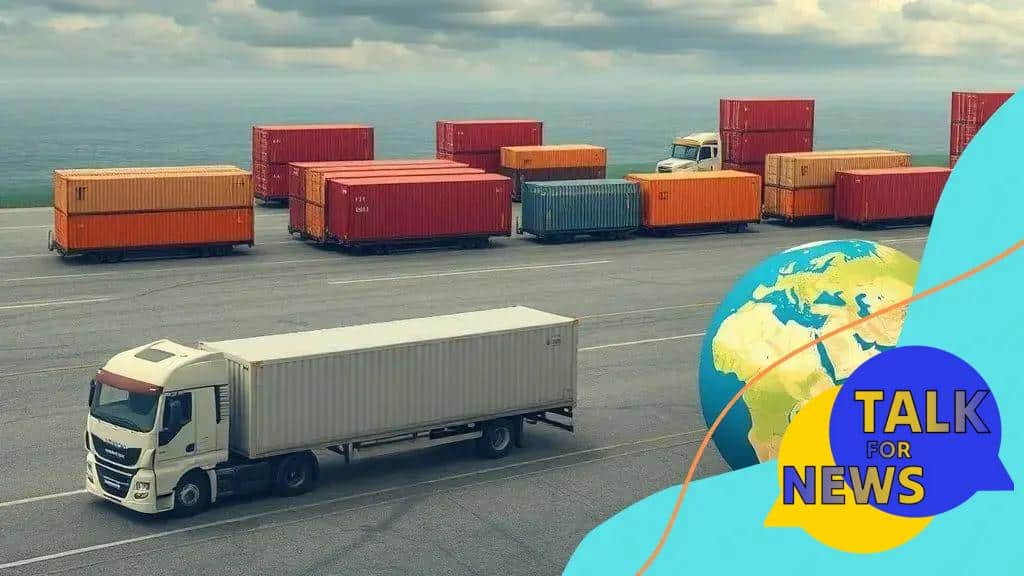
The impact on global supply chains and trade due to the international travel decline is profound.
When travel restrictions are in place, logistics and the movement of goods face severe interruptions.
Disruption of supply chains
Travel limitations directly affect the efficiency of supply chains. Many businesses rely on global networks to source materials and distribute products.
Reduced travel means fewer workers can engage in critical tasks such as inspections, meetings, and negotiations.
This disruption leads to delays in production and shipping.
- Delayed Shipments: Delays in travel can lead to late deliveries of goods, affecting production timelines.
- Increased Costs: Companies may face higher shipping costs due to alternative routing or expedited services.
- Inventory Challenges: Fluctuating supply can lead to either excess inventory or stock shortages.
Moreover, industries like manufacturing and retail feel the impact hardest.
With fewer available international flights, transporting goods becomes challenging, pushing companies to rethink logistics strategies amid the international travel decline.
Businesses often have to rely on local suppliers, which might not meet the same quality or pricing of international sources.
Trade relationships
The international travel decline also strains trade relationships between countries. Frequent face-to-face interactions facilitate stronger connections and smoother negotiations.
When travel isn’t possible, building these relationships becomes tougher. This delay in partnerships can hinder trade agreements and exports.
In addition, governments may impose tariffs or restrictions to protect their industries during crises, leading to an even more fragmented global trade environment.
Countries that depend heavily on imported goods may face shortages, increasing prices for consumers worldwide.
As a result, understanding the impact on global supply chains and trade is essential for businesses.
Adapting to these changes means innovating and finding new ways to maintain efficiency amidst disruptions related to the international travel decline.
How businesses adapt to travel restrictions
Understanding how businesses adapt to travel restrictions is vital in today’s economy.
With the rise of restrictions and the international travel decline, companies must find innovative ways to maintain operations and reach customers.
Implementing remote solutions
One of the first adaptations businesses made was to implement remote work solutions.
By using technology, companies can enable employees to work from home. This shift allows for continuity in operations even when travel is not possible.
- Video Conferencing: Utilizing platforms like Zoom or Microsoft Teams helps maintain communication.
- Cloud Services: Storing data in the cloud ensures accessibility and collaboration.
- Project Management Tools: Tools like Trello and Asana help manage tasks and track progress.
Moreover, businesses have learned to enhance online customer engagement.
With travel limitations, many companies turned their focus toward digital marketing strategies, helping them connect with customers remotely.
Diverse offerings and local focus
In response to changing consumer behavior during the international travel decline, businesses have also diversified their offerings.
Many turned to local sourcing to meet customer demands while reducing dependency on international suppliers.
This not only helps reduce costs but also supports the local economy. Moreover, the hospitality and tourism sectors have seen an increase in local tourism campaigns.
These campaigns encourage residents to explore nearby attractions, sustaining businesses that rely on foot traffic.
Companies are also developing flexible booking options to accommodate fluctuating travel plans, appealing to customers’ need for security.
Finally, understanding customer concerns is crucial. Businesses that actively listen to feedback and adapt their services resonate better with customers.
This adaptability ensures that companies remain competitive even in challenging times shaped by the international travel decline.
Future trends in international travel post-pandemic
Exploring future trends in international travel decline post-pandemic reveals significant shifts in how travelers plan and experience their journeys.
As the world adapts to new norms, several trends are emerging that could define the travel landscape in the era following the international travel decline.
Increased demand for health and safety
One of the most notable trends is the heightened importance of health and safety.
Travelers now prioritize destinations and services that emphasize cleanliness and safety protocols.
Many travelers are seeking flexible booking options to accommodate potential changes in plans.
- Contactless technology: More hotels and airlines are adopting contactless check-in and room service to minimize physical interaction.
- Health certifications: Businesses that display health and safety certifications will likely attract more customers.
- Travel insurance: A rise in demand for comprehensive travel insurance plans will help consumers feel more secure.
Additionally, travelers are showing a preference for more sustainable and responsible travel practices.
They are increasingly aware of the environmental impact of their travels, leading to a surge in eco-friendly tourism options despite the ongoing international travel decline.
Shift towards domestic and regional travel
Another trend is the shift toward domestic and regional travel. As international travel decline continues to reshape global mobility, many travelers opt to explore local destinations.
This not only supports local economies but also offers unique experiences without the hassles of long-distance travel.
Moreover, this trend encourages the resurgence of road trips and adventure travel, with people seeking outdoor experiences and less crowded locations.
As travelers look for alternatives to popular tourist hotspots, this shift opens doors to hidden gems that offer unique local culture.
Personalized travel experiences are also on the rise. Travelers are leaning towards customized itineraries that cater to their interests and preferences, enabling them to connect deeply with their destinations.
Understanding these post-pandemic trends will be essential for travel businesses as they prepare to meet evolving consumer expectations and foster a healthier tourism ecosystem in a world still influenced by the international travel decline.
FAQ – Frequently Asked Questions about Future Trends in International Travel
What are the top trends in international travel after the pandemic?
The top trends include increased focus on health and safety, a shift towards local travel, and a rise in personalized travel experiences.
How will health and safety affect future travel decisions?
Travelers will prioritize destinations that emphasize cleanliness and safety protocols, making health certifications important in the industry.
Why is there a growing interest in sustainable tourism?
With rising awareness of environmental issues, travelers are looking for eco-friendly options that minimize their carbon footprint while enjoying their trips.
How are businesses adapting to new travel trends?
Businesses are embracing technology for contactless services and diversifying their offerings to attract customers seeking local and personalized experiences.